

By: Mubashir Maeed
Introduction: Basant is one of the most colorful and joyful cultural festivals of Punjab, Pakistan. It marks the arrival of spring and symbolizes happiness, renewal, and hope. Traditionally celebrated with kite flying, music, food, and social gatherings, Basant holds deep cultural roots in Punjabi society. Although public celebrations have faced restrictions in recent years, the spirit of Basant still lives on in memories, homes, and cultural discussions.
What Is Basant?
Basant is a spring festival celebrated mainly in Punjab, especially in Lahore and surrounding areas. The word “Basant” comes from Sanskrit and means spring. The festival is usually observed around February, when winter begins to fade and flowers start blooming. People celebrate Basant to welcome pleasant weather, fresh crops, and a new agricultural season. Over time, it became a cultural rather than a religious event, enjoyed by people of all backgrounds.
Historical Background of Basant:
Ancient Roots:
Basant has been celebrated in the region for centuries. Its origins can be traced back to ancient South Asian traditions linked with nature and farming cycles. Spring was seen as a blessing for farmers, and festivals like Basant were a way to express gratitude and joy.
Basant in Mughal Era:
During the Mughal period, Basant gained special popularity in Lahore. Mughal emperors and nobles openly participated in kite flying and public festivities. The festival became part of the city’s cultural identity, blending royal traditions with public celebrations.
How Basant Is Celebrated in Punjab:
Kite Flying:
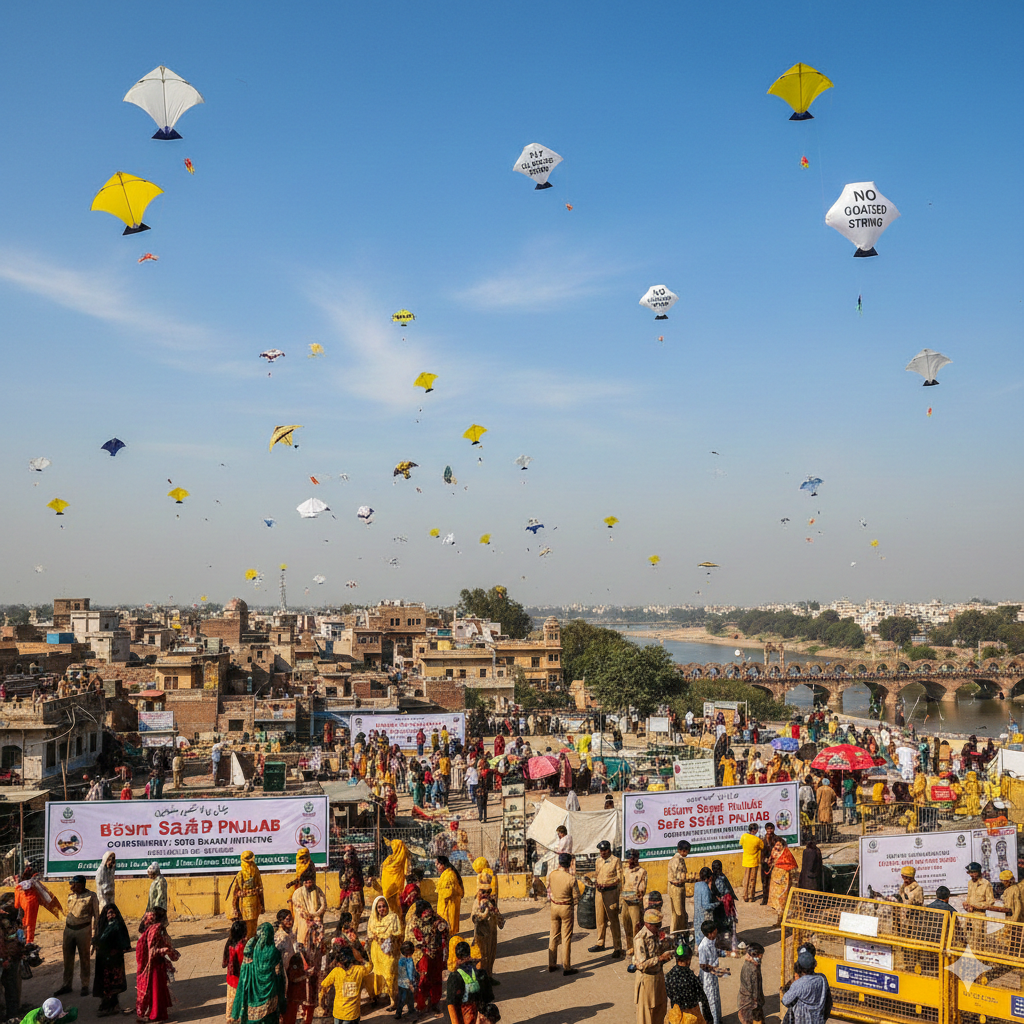
Kite flying is the most famous activity of Basant. The sky fills with colorful kites of different shapes and sizes. Rooftops become gathering points where families and friends compete in friendly kite battles, trying to cut each other’s strings.
Traditional Food:
Food plays a big role in Basant celebrations. Popular dishes include:
Makki ki roti, Sarson ka saag, Halwa, Traditional sweets, Special yellow-colored foods are prepared because yellow represents spring and prosperity.
Music and Dress:
People often wear yellow clothes to match the theme of the season. Punjabi music, dhol beats, and folk songs create a lively atmosphere. In the past, cultural shows and street festivals were also common. Cultural Importance of Basant Symbol of Spring and Positivity Basant represent new beginnings. It brings a message of joy after the cold winter months and reminds people of nature’s beauty and balance.
Social Harmony:
Basant has always been a festival that brings people together. Families, neighbors, and even strangers celebrate side by side. It promotes unity, happiness, and shared cultural values. Identity of Punjab for many people, Basant is not just a festival but a part of Punjabi identity. Lahore, in particular, became internationally known for its Basant celebrations, attracting tourists and media attention.
Challenges and Restrictions:
Despite its popularity, Basant faced serious challenges due to safety concerns. The use of chemical and metallic kite strings caused accidents and injuries. Because of this, public celebrations were restricted and banned in many areas. However, cultural experts believe that instead of banning Basant completely, safer regulations and controlled celebrations could help revive this important tradition.
Basant in Modern Times:
Today, Basant is remembered more as a cultural memory than a public event. People still celebrate it privately, discuss its importance on social media, and include it in cultural programs and educational discussions. Many Pakistanis hope that Basant will one day return in a safe and organized form, allowing future generations to experience this beautiful tradition.
Conclusion:
Basant is a vibrant symbol of Punjab’s cultural richness. It celebrates spring, joy, and togetherness while reflecting centuries-old traditions. Although its public celebrations have declined, Basant remains alive in the hearts of the people. Preserving such cultural festivals is important for maintaining identity, history, and social harmony in Pakistan.
Frequently Asked Questions (FAQs)
What is Basant?
Basant is a traditional spring festival celebrated in Punjab, Pakistan, known for kite flying and cultural activities.
When is Basant celebrated?
Basant is usually celebrated in February, at the end of winter and the beginning of spring.
Why is Basant famous in Lahore?
Lahore became famous for large-scale Basant celebrations, kite flying competitions, and cultural events during the Mughal era and later years.
Is Basant a religious festival?
No, Basant is a cultural festival, not a religious one. People of different backgrounds have traditionally celebrated it together.
Why was Basant banned in Pakistan?
Basant faced restrictions due to safety issues related to dangerous kite strings causing accidents and injuries.